

“I have no idea how to explain this!”
I hear those words frequently from our students. At Southeastern, we take over a dozen short-term mission trips a year all over the world. This results in over a hundred of our students every year traveling to serve alongside our NAMB or IMB field teams and church planters, and the experience is life-changing for many. For some, it is their very first experience in a missionary context or experiencing cross-cultural gospel ministry.
Hence the statement: I have no idea how to explain this when I get home.
I believe we have a responsibility to help students tell their story. If you are in church leadership, you have a similar responsibility when you lead your church on mission to places around the world.
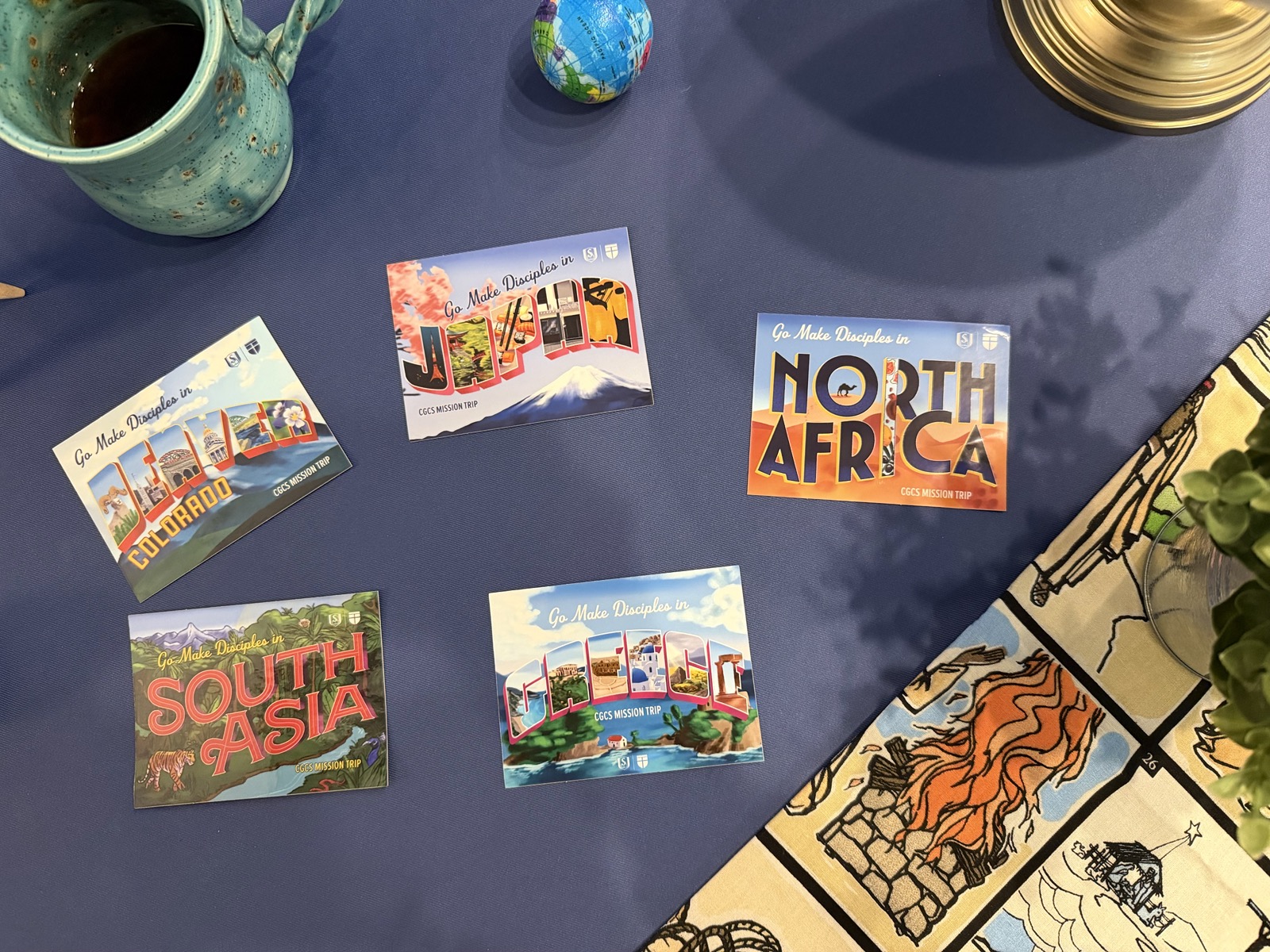
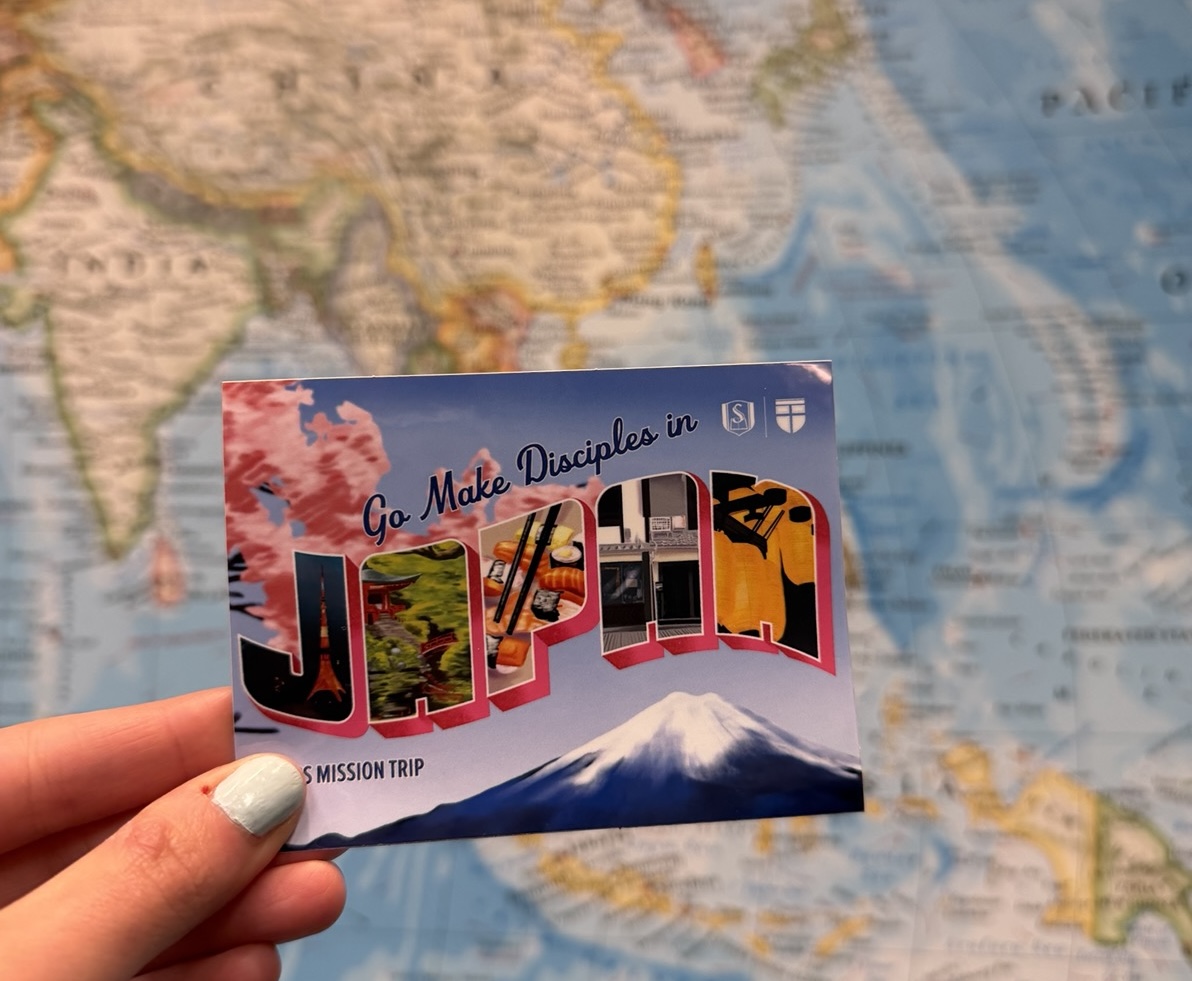
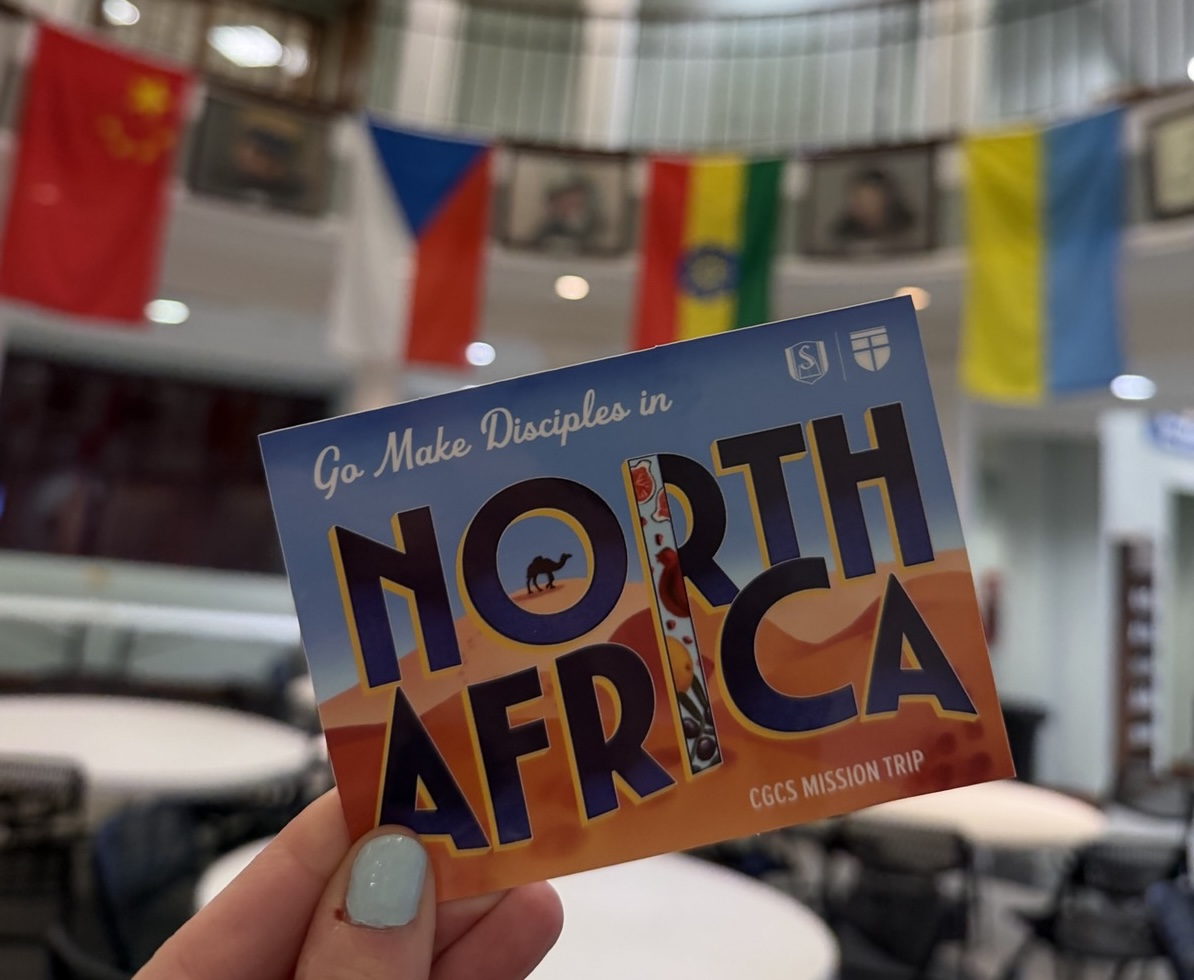
Recently in our missions center, we decided to do something about this. This year, we started providing students who went on a mission trip with a sticker about the trip. In fact, if you’re a student who went on a trip and do not have one yet, come by the missions center and get your sticker!
I mentioned these stickers as one small, concrete example of an idea I think we need to capture in local church leadership. Pastor, make it easy for your members to tell their mission trip story. There are many important benefits to this.
Maybe your church is trying to figure out how to get your church members more involved in mission trips. Maybe you have people going on a regular basis, but you are not sure how to move the experience past a trip into impact on your congregation when they return. I am convinced spending time and effort on helping your members explain to others the significance of that experience will benefit your church greatly.
People go… then what?
As I mentioned above, we have a lot of students going on trips. So, even though my data here is anecdotal, it is pretty extensive.
I believe short-term trips (done well) are valuable for the long-term field strategy and for the local church and those here who go. This article is not an apologetic for short term trips. You can find that here. Instead, I want to deal with a specific part of the journey: the days and weeks that follow the trip.
The vast majority of our students report having a significant experience on a trip. I assume the same is true in your church if you go on them. It stands to reason that this is one of the main reason we all keep doing this. If no one benefits, the field or the people going, churches would not expend the effort and money necessary to continue doing this.
But then they get home. Once trip members return home, they are faced with at least three realities. First, the people that knew they went will likely ask, “How was your trip?” Second, there is another set of people who will either not think or know to ask at all. This was the initial crowd for which we created our stickers. Finally, students are often concerned they will come back and, over time, lose sight of those for which they have been praying and those they worked alongside.
For us, these little stickers were a simple way to fight back against some of the obstacles and make it easier for our students to tell their story.

Raise an Ebenezer.
Countless times throughout the Scriptures the people of God are called to remember his wondrous acts on their behalf, how he moved and acted to secure their salvation. For Israel, they were called to remember God’s mighty acts removing them from Egypt. The tribes set up their stones of remembrance when crossing the Jordan. Later Saul sets up a stone of remembering, an Ebenezer, to remind Israel of God’s victory on their behalf in battle.
While a short term mission trip may not be quite the same as parting the Red Sea, they are often important mile markers in a person’s life. In every class I teach, I will ask the room of student how many have been on a short term mission trip. Most students in the room will raise their hands. At a seminary, you can imagine that it would be a majority. I then ask them how many felt that a trip played a really significant role in their present ministry calling. The same set of hands goes up with few exceptions.
Something as simple as a sticker serves as a reminder to those students. Looking back at God’s faithfulness reassures us that he will be faithful now. Looking back on God’s empowering of the Great Commission reassures us he will empower our labor for it now. It also provides a tangible reminder of the place and people. This becomes an easy prompt for prayer and hopefully continued connection.
Start a conversation.
Stickers are not only visible to the student who went, they are also visible to others. That means other people can ask about them. When students ask another student about the sticker, it creates an opportunity to tell about God’s work somewhere in the world. In our school setting, students are becoming familiar with these stickers, and they signal without a conversation that a student went on a particular trip. This is important for several reasons.
First, the more stickers people see on campus, the more it signals that many people are going on trips. It becomes a small, passive encouragement to the rest of the student body that they can, and should, go too.
Second, it identifies students that others could ask about a particular trip or experience. If a student is interested in a part of the world, work among a particular group of people, or about the experience of going on a trip in general, then these stickers signal individuals that other students could ask.
Third, sometimes it does generate on-the-spot conversations. A student may begin, “Oh, I didn’t know you went on the Southeast Asia trip, how was that?” These moments then present those students with clear opportunities to share with others about the work that is happening in those locations.
Finally, though I imagine this is rare, it can lead to conversations with people outside of the school and perhaps outside of the church. This is the classic coffee shop small talk conversation. I don’t believe we should hang our evangelistic hopes on a stranger in a coffee shop asking us about a sticker on our laptop, but I’m also a proponent of having as many “lines in the water” as possible.

They need more than a sticker.
Now that I’ve regaled you with the many benefits of something simple like a mission trip sticker, let me be very quick to add that a sticker is just a gimmick if you don’t provide them with more than a sticker.
You need to do more than provide them with an easy prompt. You also need to equip them to actually organize their thoughts in a way where they can share them with others. The reason your team members want to tell others is because it was significant, and maybe, a little bit overwhelming. Provide guidance to team members on how to speak with others upon returning home. The best field teams I know actually do this with teams when they come visit. Churches can also take on this important role.
Provide the team with an intentional time where they do an exercise that helps them collect their thoughts in order to share their experience. Give them a series of significance questions:
- Why did you go?
- What impact did it have on the work there?
- What impact did it have on your own spiritual formation?
- Provide one specific story from your time there that paints the picture for someone who was not there.
Concerning that story, tell them to have a real story from their time. They should make it one in which they were personally involved and that made a difference. They can, of course, change names if security is a concern. Stories are important for communicating deep truths, and they should be prepared with one. Stories are what people usually want to hear, and they often make the most impact.
Encourage them to have a short version (no more than 5-7 minutes) and a long version (as much time as it takes) of their response. This is powerful not only because it equips them to come back ready to share with others, but because it forces them to think critically about what God has done in and through them for the week. Do not neglect time of reflection like this with your short term teams.
If you serve in local leadership in a church somewhere, hopefully you can see the points of intersection between what we’re attempting with our trips at Southeastern and your own church’s involvement in short term missions. If you want more people in your church talking about their experience to one another, if you want visible markers of participation in significant ministry experiences, if you want to serve your trip participants well when they return, consider something simple like a sticker or some other tool they can use to tell the story.
We believe it’s our responsibility to help our students take this next step, and I’m convinced you should feel the same way about your church members. So, pastors and church leaders, help your members tell their mission trip story.


